

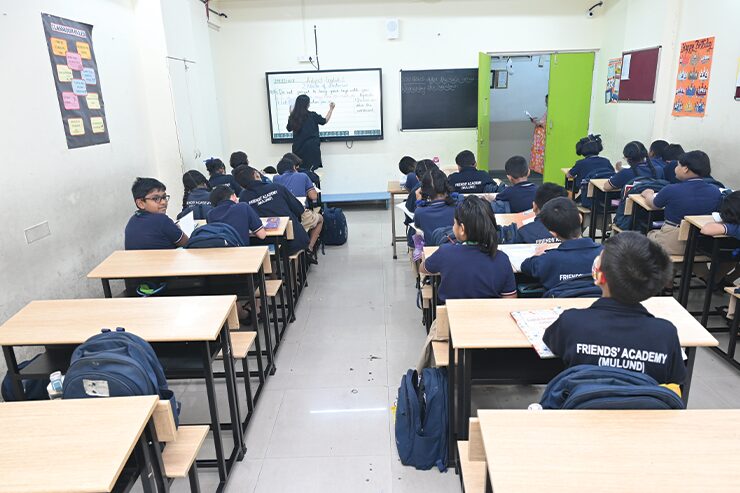
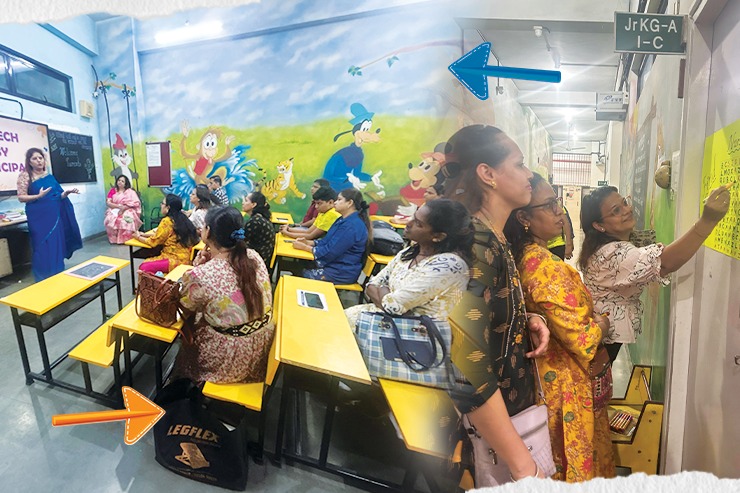
School visits may be boring for kids, but for parents, they are the ones that help make the most important decisions. Besides, a school visit is an opportunity where parents get to decide whether a particular school aligns with their child’s academic and overall development needs. For parents exploring an ICSE school, this visit becomes even more important, as it gives them time to focus on and understand conceptual clarity, holistic growth, and structured learning Are you a parent looking for a school for your child? Here are the things that you should observe during a school campus visit to make an informed decision. 1. Learning Environment and Infrastructure A well-maintained school campus reflects the institution’s commitment to quality education. Look for clean classrooms, adequate ventilation, well-equipped laboratories, libraries, and safe play areas. These elements directly influence a child’s learning experience, especially in ICSE schools where practical learning plays a vital role. 2. Teaching Approach and Academic Support Understanding how teachers engage with students is crucial. During your visit, observe classroom interactions and ask about teaching methodologies followed by the ICSE board. Schools that focus on concept-based learning, regular assessments, and doubt-clearing sessions help students build strong academic foundations. Though there are limited chances to visit classrooms, you can try to engage with other parents regarding the approach and support offered by the school. 3. Student Safety and Well-being A secure campus is non-negotiable. Parents should enquire about safety measures such as supervision, entry-exit protocols, medical facilities, and counselling support. A good ICSE school prioritises emotional well-being along with academic excellence. It is necessary that parents are updated about the school timings and the entry and exit of students in case of any emergency at school. 4. Co-Curricular and Activity Spaces An ICSE school encourages balanced development through academics, sports, arts, and cultural activities. Explore activity rooms, sports facilities, and areas dedicated to creative learning. These spaces help children develop confidence, teamwork, and life skills. You can also look for online sources before visiting the school to learn about activities and then get your queries sorted during the visit. 5. Parent-School Communication Strong communication between parents and the school ensures a supportive learning journey. Ask about parent-teacher interactions, updates on student progress, and feedback systems. Transparent communication reflects a school’s commitment to partnership with parents. We at Friends’ Academy are very well aware of the effort parents take to find the best school in Mulund. As the school campus plays an important role, we allow parents to take a tour of our school and get to know us better. Parents can easily catch glimpses of school activities by observing the learning environment, academic practices, safety measures, and overall atmosphere, and confidently choose a school that supports their child’s growth. Taking time to explore the campus carefully ensures that the school you select aligns with your expectations and your child’s future learning journey. Want to know more about our ICSE school? Contact us to take a tour and explore your child’s academic journey at our school.
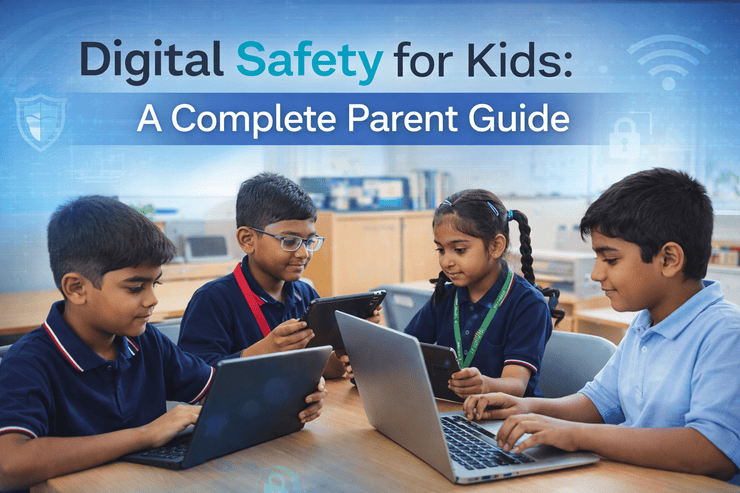
Kids nowadays grow up surrounded by smartphones, tablets, social media, online classrooms, and instant access to information. While technology has enhanced learning and connectivity, it has also introduced new risks that parents and schools cannot afford to ignore. For children—especially ICSE school students—who increasingly rely on digital tools for academics and projects, digital safety has become as important as physical safety. At Friends’ Academy, we believe that digital awareness is not optional; it is essential. As an institution that actively takes initiatives for student well-being, we focus on creating a safe, responsible, and balanced digital environment for our learners. Why Is Digital Safety Important for Kids Today? Children today spend a significant amount of time online for studies, entertainment, communication, and exploration. Without proper guidance, this exposure can lead to challenges such as: For ICSE students, whose curriculum encourages research, independent learning, and digital submissions, safe online behaviour becomes critical. Teaching children how to navigate the digital world responsibly helps them develop discipline, awareness, and confidence. How Schools and Parents Can Contribute to Digital Safety? Digital safety is a shared responsibility. When schools and parents work together, children receive consistent guidance in both places. Role of Schools Schools play a vital role in shaping students’ digital habits. At Friends’ Academy, we ensure that digital safety education is woven into everyday learning. Schools can contribute by: As an ICSE school, we take proactive initiatives to ensure students understand not just how to use technology, but how to use it wisely. Role of Parents Parents are a child’s first guide. Regular conversations about online behaviour, screen limits, and digital boundaries help children feel supported rather than restricted. Parents can contribute by: Digital Safety Measures at School and Home Measures Taken at School At Friends’ Academy, we adopt structured measures to ensure digital safety for our students: These initiatives help ICSE school students develop safe digital habits that support both learning and personal growth. Measures Parents Can Take at Home Parents can strengthen digital safety by implementing simple yet effective practices: Consistency between school and home practices creates a secure digital environment for children. Digital safety for kids is no longer a choice; it is a necessity. With the right guidance, children can enjoy the benefits of technology while staying protected from its risks. When schools and parents collaborate, digital awareness becomes a life skill rather than a set of rules. At Friends’ Academy, we take pride in being an ICSE school in Mulund that actively takes initiatives to promote digital safety, responsible behaviour, and overall student well-being. By educating students, empowering parents, and fostering open communication, we prepare our learners to navigate the digital world safely and confidently.
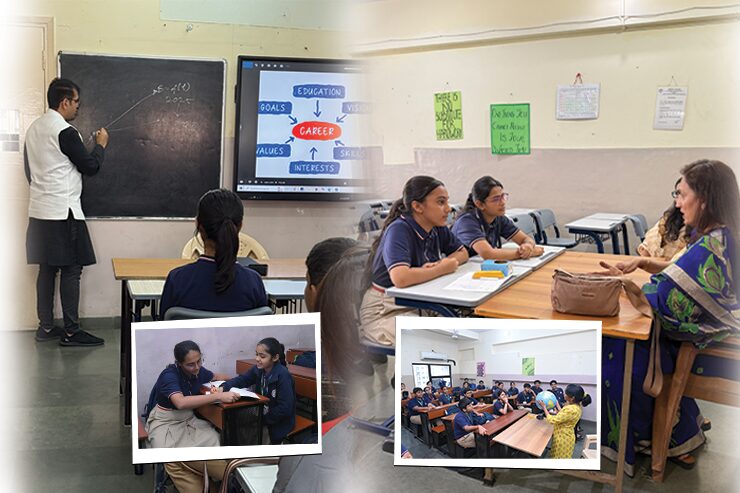
As a parent, your child’s timetable is your responsibility, isn’t it? But how do you manage to build one that correctly fits their strengths and weaknesses? In such cases, you need to know how to set goals or sit with your child and help them get everything in place to organise studies, manage time wisely, and revise consistently without burnout. Step-by-step guide to help your child create a perfect ICSE exam timetable: 1. Understand the ICSE Syllabus and Exam Pattern Jumping directly into planning a timetable is not right. Hence, it is important to first understand the ICSE syllabus for each subject. Identify the subjects and chapters that carry higher weightage before creating the exam timetable. If you are making a study timetable for exams, your child may have already completed studying most of the syllabus, and this phase is mainly for revision. Therefore, knowing the weightage of each subject and topic helps in planning better. Subjects like Mathematics, Science, Geography, Languages, and others should be aligned properly within the timetable. Smaller and more manageable topics can be kept for the later stages, while tougher topics should be revised both at the beginning and towards the end. Subjects that require more time and attention should be spaced out throughout the schedule. 2. Set Clear, Achievable Goals Instead of planning long study hours, help your child set daily or weekly goals. For example, completing a chapter, solving a few mathematics sums, or revising key answers can be effective ways to prepare for ICSE Board exams. Dividing study time into smaller tasks helps in setting clear goals and achieving them without feeling overwhelmed. 3. Prioritise Subjects Wisely Every student has strengths and weaker areas, and parents often understand their child best. Curate your child’s timetable in a way that allocates more time to subjects or topics that need improvement. Ensure that too much time is not spent on a single subject. A balanced approach helps show progress across all subjects. 4. Create a Balanced Daily Schedule An ideal ICSE exam timetable includes 2–3 study sessions per day, allowing each subject to get adequate time along with short breaks. Including time for revision and practice tests helps your child revise concepts regularly. Revising only 2–3 subjects a day also ensures enough time for rest and sleep. Studying in shorter, focused sessions (45–60 minutes) improves concentration and retention. Avoid overloading the day with unrealistic study hours, as balance helps build confidence over time. 5. Include Revision and Practice Time Since this is revision time, parents can help their child revise completed topics and practise previous years’ question papers. This helps students understand the exam pattern, improve writing speed, and gain confidence. Avoid overdoing practice papers—solving 4–5 papers is sufficient to understand performance levels. Regularly review and refine the timetable to ensure it remains effective. Now that you have a complete plan, you can start helping your child prepare an exam timetable. There is no single theory of a perfect ICSE exam timetable. Every child is different, and each has unique strengths. As a parent, you can design a timetable that suits your child best. With structured planning, regular revision, and steady effort, your child can perform confidently and give their best. At Friends’ Academy, an ICSE school in Mulund, we encourage students to plan early and build consistent study habits. This approach helps them gain clarity, confidence, and calm during examinations, while also understanding where additional time and focus are needed. To help parents and students follow the same structured approach at home, we’ve shared our ICSE Class 10 exam preparation tips with practical guidance on planning, revision, and exam readiness. Read the guide and take the first step towards structured, stress-free ICSE exam preparation.
Everyone is in the race to score 90+ in every subject, especially Mathematics. Are you in the same race too? If yes, then rote learning is not the right approach, because it doesn’t take you very far. The best way is to plan first and then act smartly with the right strategy. Mathematics is not just about scoring; it’s about understanding concepts and practising them regularly. A practical guide to scoring high in ICSE Mathematics 1. Understand the ICSE Mathematics Syllabus Thoroughly Understanding the subject doesn’t mean extensive research. It simply means knowing which topics need to be covered first and which ones require constant practice to improve problem-solving speed. Mathematics comprises Algebra, Geometry, Trigonometry, and Statistics. Once you are clear about these areas, list down the chapters and identify high-weightage topics, difficult chapters, and those you are confident with. This helps you plan effectively before taking action. 2. Build Strong Conceptual Clarity Mathematics is not just about solving problems; marks are awarded for every step. Hence, understanding the logic behind formulas and methods is crucial. As a student, it is important to revisit basic concepts before attempting complex sums. Strong fundamentals make problem-solving faster and more accurate, helping you gain clarity and solve questions efficiently. 3. Practise Regularly and Systematically Mathematics improves with practice. It is recommended to solve at least 2–4 sums daily. Create a timetable that includes 45–60 minutes of focused practice. Initially, try solving different types of questions, and later work on improving accuracy. Regular practice helps reduce fear and builds confidence. 4. Solve Previous Years’ Question Papers One of the most effective ways to score 90+ is by practising previous years’ ICSE Mathematics question papers. This helps students understand exam patterns, identify frequently asked questions, and recognise important topics. It also improves time management and helps students learn how to complete the paper within the given time. 5. Focus on Presentation and Stepwise Writing ICSE examiners value presentation. Students must write all steps clearly, avoid overwriting, keep the work neat, and box the final answers properly. Even if the final answer is incorrect, correct steps can still fetch marks. 6. Revise Smartly Before the Exam Revision is key in the final weeks. Instead of learning new topics, revise formulas, rework difficult sums, focus on past mistakes, and opt for consistent short revision sessions rather than long study hours. Final Thoughts Scoring 90+ in ICSE Mathematics is achievable with structured planning, regular practice, and strong conceptual clarity. Every student learns differently, so preparation strategies should align with individual strengths and weaknesses. As one of the best ICSE schools in Mulund, we guide students to build strong mathematical foundations, practise strategically, and approach exams with confidence and clarity, helping them perform to their true potential. While scoring 90% or above is challenging, consistent practice along with strong support from the school and parents keeps students on the right track. Last year, over 50 students at Friends Academy scored 90% and above in Mathematics, reflecting the steady progress students make when learning is supported the right way.

When parents search for the top ICSE school in Mulund, they’re not just looking for strong academics — they are looking for a place where the child is nurtured with curiosity, confidence, and is prepared for life. Friends Academy has earned its place among the leading ICSE schools in Mulund because of its commitment to academic excellence, holistic development, and a student-first approach. While most ICSE Schools follow a certain pattern or approach, here is what we at Friends’ Academy follow that quotes us as the top ICSE school in Mulund. 1. Strong Academic Foundation As an ICSE-affiliated school, Friends Academy follows a well-structured and comprehensive curriculum designed to strengthen conceptual understanding. Our teaching methodology focuses on building critical thinking and problem-solving skills, allowing students to explore subjects in depth. 2. Holistic Development Beyond Books Education should prepare your child for everything in life, and this is where Friends’ Academy plays an important role. From integrating co-curricular activities to extracurricular activities such as sports, performing arts, cultural events, and competitions, your child is encouraged to develop creativity, leadership, and resilience. 3. Qualified and Dedicated Faculty While many schools have qualified teachers, our educators are more than just instructors. They act as mentors and guides, inspiring and nurturing every student, ensuring individual attention and academic growth. Not only do they make it easy for children to learn & grasp concepts, but they also make learning fun. 4. Infrastructure that Contributes to Learning From well-equipped science and computer labs to a rich library and modern sports facilities, our infrastructure supports a wide variety of learning experiences. Each classroom is designed to be bright, engaging, and to promote collaborative learning. 5. Focus on Values and Life Skills Along with academic knowledge, Friends Academy places strong emphasis on moral values, empathy, and community responsibility. Our programmes are designed to develop decision-making abilities, ethical thinking, and emotional intelligence. 6. Parental Engagement and Supportive Community Parents are not just invited for parent-teacher meetings; we have various parental engagement activities that encourage interaction and open communication, ensuring they are active participants in their child’s learning journey. Workshops and other events give parents a glimpse into the school life of their child. Friends’ Academy is not just a school — it is a space where students are nurtured, encouraged to dream big, and guided to work hard to achieve those dreams. Our consistent academic results, balanced approach, and commitment to every child’s growth make us one of the top schools in Mulund. Though most schools follow a similar pattern and other guidelines, yet we are someone who stands on our ground rules and try to inculcate the same in our students. If you want to know more reasons why we are the best, visit our Instagram page and experience the joy and energy we bring to learning. Make the choice to visit our school or explore glimpses of life at Friends’ Academy on our website — and see how we make learning meaningful.
If you’re a parent searching “how to choose the right school in Mulund”, you’re probably looking for a place that does more than just teach. You’re looking for a school that helps your child grow, explore, and succeed in every sense. Choosing a school is not only about academics but also about finding the right environment where your child feels safe, curious, and inspired to learn. Here’s a practical guide to help you make the right choice with insights into how Friends’ Academy, can help you secure admission easily and without unnecessary hassle. 1. Look for a School with a Strong Academic Foundation A good school begins with a strong curriculum. When you’re shortlisting schools in Mulund, choose one that follows a well-recognized board such as ICSE, which focuses on conceptual clarity and real-world learning. At Friends’ Academy, our academic structure blends ICSE standards with creative teaching strategies that build analytical and communication skills — two of the most essential qualities for lifelong learning. 2. Prioritize Holistic Development The right school doesn’t just teach subjects; it shapes personalities. So, the next time you look for an ICSE school, ask — does the school offer opportunities beyond academics? Are art, music, theatre, and sports part of the regular schedule? At Friends’ Academy, we nurture students’ minds and hearts equally through theatre workshops, sports programs, science exhibitions, and cultural activities that help every child discover their interests. This allows children to develop learning that goes beyond the classroom. 3. Check the Teaching Approach and Teacher Involvement A school is strong only when its teachers are strong enough to mentor students effectively. The best ICSE schools maintain a healthy student–teacher ratio to ensure each student receives equal attention. Different teaching methods like Montessori, Howard Gardner’s Multiple Intelligences, and Bloom’s Taxonomy are integrated to help each student learn in their own way with personal attention and encouragement. Though you can’t fully understand the teaching approach until your child becomes part of the school, you can always meet current students or check the school’s social media to get a brief idea. 4. Evaluate Safety, Infrastructure, and Facilities When visiting schools, look for clean classrooms, safe play areas, digital learning tools, and a space that feels positive and child-friendly. Friends’ Academy offers a thoughtfully designed campus in Mulund with bright classrooms, modern facilities, and a nurturing atmosphere that encourages exploration and imagination. Moreover, when you visit the school to collect admission forms, you can enjoy a walkthrough of the campus to get an idea about its facilities, infrastructure, and safety. 5. Consider the School’s Culture and Values Education isn’t restricted to academics, it’s also about character. The right school teaches kindness, teamwork, respect, and empathy alongside academic success. At Friends’ Academy, these values are woven into everyday learning, ensuring children grow up to be compassionate, responsible individuals. This also helps them understand and respect different cultures. 6. Look for Active Parent-School Collaboration Transparent communication between parents and teachers ensures that learning doesn’t stop at the school gates. Friends’ Academy believes in strong parent involvement through regular updates, open days, and family-friendly events that keep parents engaged in their child’s journey. Why Friends’ Academy is the Right Choice in Mulund When parents ask, “Which is the best ICSE school in Mulund?”, the answer often lies in balance, a school that combines strong academics, creativity, and moral values. At Friends’ Academy, we treat every child as a seed of potential, nurturing them with care, curiosity, and confidence until they grow into strong, independent learners. If you’re still wondering how to choose the right school in Mulund, remember, it’s not just about marks, it’s about meaning. Choose a school that focuses on shaping your child’s mind, values, and future.Want to know more about Friends’ Academy? Visit our website for full details.
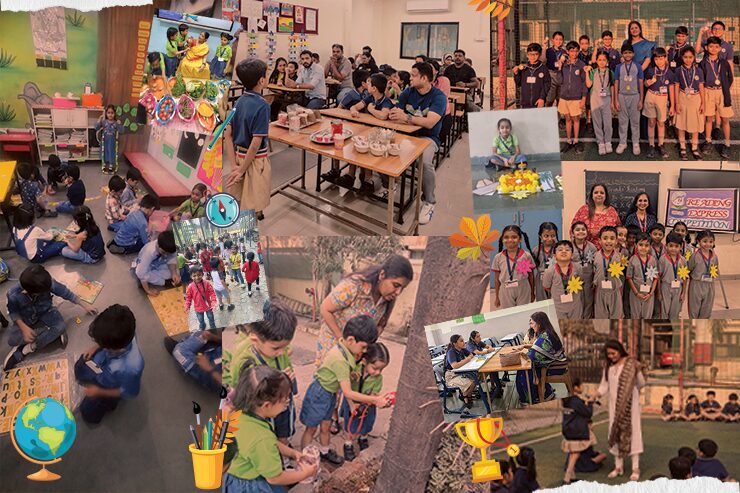
Every great tree begins as a small seed — nurtured, protected, and guided until it grows tall and strong. At Friends’ Academy, we believe the same about education. Each child who walks into our classrooms is a seed of potential, and it’s our responsibility to provide the right soil of learning, water of encouragement, and sunshine of opportunity to help them bloom. A Thoughtful Beginning The journey at Friends’ Academy begins with the pre-primary section, where the first steps of learning are filled with joy, curiosity, and creativity. Through child-centric methods and playful learning, we help young learners develop essential motor, social, and emotional skills. As this is the age where a strong foundation is built, we ensure it is nurtured well. The pre-primary section is the first stage where, from day one, students are taught to express themselves, ask questions, and satisfy their curiosity. This ICSE learning approach allows them to stay ahead. At Friends’ Academy, we equip your child with important learnings such as developing motor skills that are crucial during this phase. They are also exposed to different experiences through extracurricular activities to enhance their communication and engagement with others. Building the Sapling Stage As children move into the primary section or sapling stage, their curiosity takes deeper roots. This is a stage where students are introduced to new languages, math tricks, and many other activities that make learning exciting. Not only do they engage in academics, but they also participate in practical projects, digital learning, and real-life applications that connect classroom lessons to the outside world. Since we build stronger foundations from day one, this phase allows us to easily mould a child’s learning journey. As said, this is the sapling stage — we provide utmost care. Right from academics to extracurricular activities, we take care of everything that helps improve and enhance different aspects of learning. From Grades I–V, we have small activities planned to encourage engagement in diverse learning. Classroom activities promote communication and sharing perspectives, section activities allow children to learn from peers, and extracurricular activities make it easier to explore and understand concepts in a fun, creative way. Growing into Mighty Oaks By the time students reach the middle and secondary section, their branches spread wide with confidence and knowledge. This is the period where we ensure students understand basic concepts, apply them, and succeed through creativity and practice. Being an ICSE school, we follow a holistic development approach that promotes teamwork, critical thinking, leadership, and creativity. Apart from this, we also encourage our students to discover new interests that excite them — be it sports, science, or any other field of passion. At Friends’ Academy, we don’t just teach; we grow minds. From the first step into school to the proud moment of graduation, every stage is designed to strengthen a child’s foundation — just like a seed growing into a mighty, blooming tree. Want to know the different learning styles that we follow in our school? Know here.
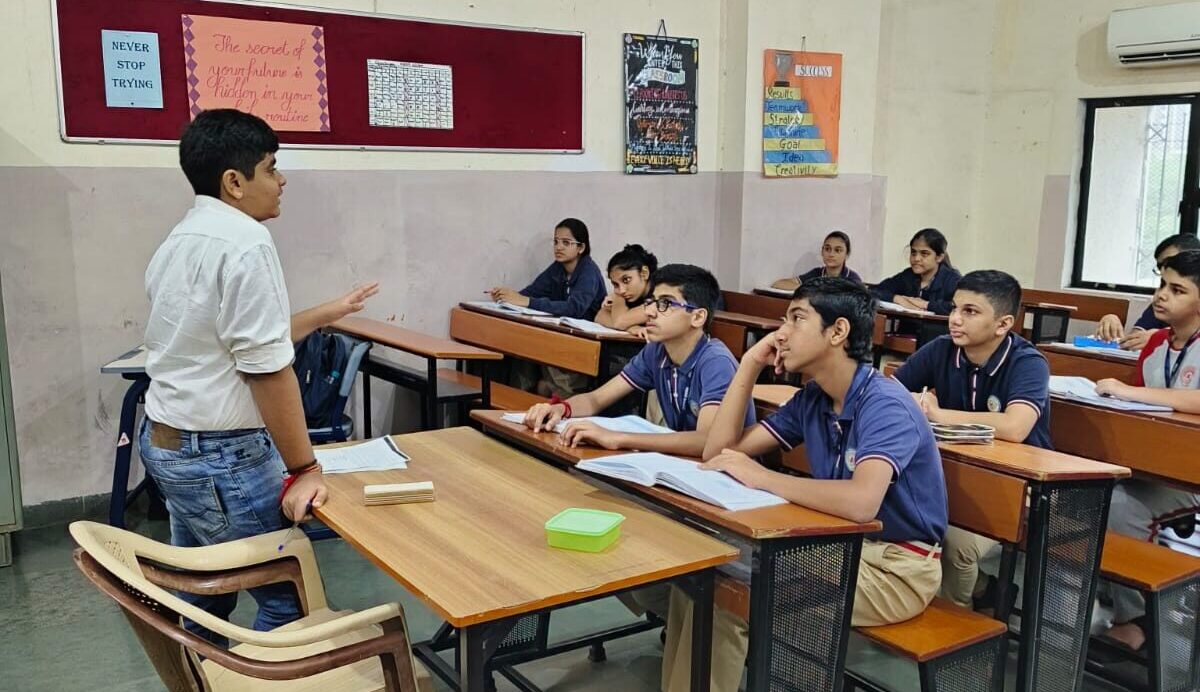
Competitive exams like JEE, NEET, or UPSC aren’t easy to crack. Without a strong foundation, it becomes difficult to succeed later. Often, you’ll find students cramming formulas, memorizing facts, and struggling to connect concepts they should have learned earlier. This gap makes competitive exams tougher. But just think—what if your school prepares you in a way where you are not just taught, but trained to think, analyze, and apply knowledge? Isn’t that exactly what most parents want for their child? That’s what the ICSE (Indian Certificate of Secondary Education) curriculum is designed to do. Unlike rote-driven systems, ICSE focuses on: Why this matters for competitive exams A strong academic base becomes a game-changer. It allows students to step confidently into the world of competitive exams. Whether it’s solving tricky Maths problems, understanding detailed Biology concepts for NEET, or tackling essay-based questions in UPSC, ICSE students are better prepared thanks to habits that encourage deep learning and critical thinking. How Friends’ Academy strengthens this foundation At Friends’ Academy, we understand how important it is to combine the strengths of ICSE with student-centric teaching methods. Our approach includes: This ensures that students don’t just learn, but build the skills and resilience needed to succeed in competitive exams. We know the journey is tough, but with the right foundation, students can get closer to their goals and achieve their dreams. Want to help your child build a strong foundation for competitive exams? Secure their admission at Friends’ Academy today and let them be future-ready.
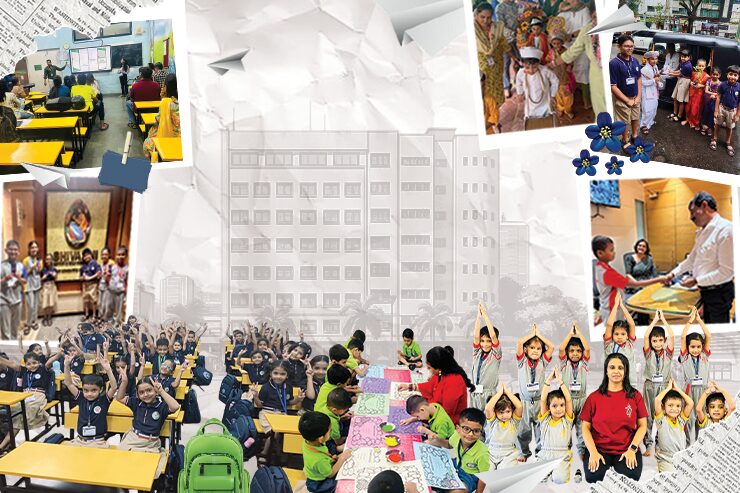
While some children can grasp the concept easily by listening to a teacher, others might require visually appealing things or even hands-on experience to understand it fully. Recognizing these differences helps to make a difference in the academic journey. While the style of ICSE schools is different from other schools, it is necessary that parents too are informed about the same. The main reason behind learning is not just getting knowledge via the structured syllabus, instead it is about nurturing confidence and curiosity. Different Types of Learning Styles Introduced in School Visual Learners This is a concept wherein the students learn through visuals. They can memorize or understand only when they see an image, chart, or diagram and this makes it easy for them to learn. Kinesthetic Learners This is when your child learns the most by doing. Be it experiments, activities, or role play, your child easily remembers the things they did. It’s not wrong to say they memorize what they do. Auditory Learners This is a type of learning wherein children are engaged by the storytelling method. Discussions and listening to a few people make it easy for them to understand and retain the information. How Do We as an ICSE School Cater to All the Styles? Being the best ICSE school is not based on any single criteria; it is decided by the parents and the students who are part of the school. Here are a few things that are liked by our students and make it easy for them to understand and learn: How Parents Can Support Their Child’s Learning Style Final Thoughts Understanding your child’s learning style is not about labelling them, it’s about empowering them. The right approach can turn struggles into achievements and make learning a joyful experience. At the right schools in Mulund, students aren’t just taught; they are nurtured in ways that suit their unique learning journey. We understand that students with different mindsets and perspectives must be approached in ways that ensure they truly understand concepts easily and effectively. As we are proficient in this, we practice different methods to keep children engaged in their studies. Want to know what other methods of teaching concepts are practised at our ICSE school in Mulund? Contact us.
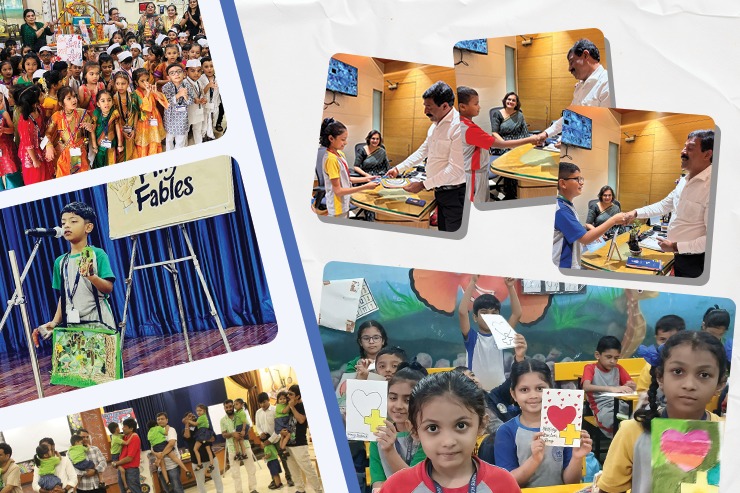
Learning or studying is important, but how it is pursued by the children is more important. There are lots of different techniques and approaches that can help a child to get into and enjoy the learning process. The idea is to celebrate learning, and the same is followed when you apply the Reggio Emilia Approach. ICSE Schools apply this method, and it is the heart of the learning process. What Is the Reggio Emilia Approach? Loris Malaguzzi developed the Reggio Emilia approach. This approach was designed in order to view children as strong, capable, and curious individuals. It focuses on the belief that children learn best via exploration, collaboration, and self-expression — not just by following instructions. Unlike traditional classrooms, Reggio-inspired settings are dynamic, responsive, and creative to the interests of children. Teachers aren’t simply instructors; instead, they are co-learners and guides. Besides, the learning isn’t confined to textbooks but also happens via different activities such as art, nature, music, and conversation. Key Principles of the Reggio Emilia Approach The Child Has a Hundred Languages Expressing feelings or emotions is not restricted to language. Drawing, dancing, building, storytelling — and many more ways. Reggio encourages all forms of expression that help communicate, reflect, and grow. The Environment Is the Third Teacher Classrooms are designed to inspire curiosity. Open spaces, natural light, creative corners, and child-made displays are all essential tools that make learning meaningful and joyful. This is one of the best ways to know what a child actually wants to talk about. Teachers Are Collaborators The important learnings are provided by teachers — they are collaborators and focus on the improvement of the child. Instead of focusing on rigid plans, unnecessary huge assignments, and documenting only academics, it is based on the child’s interests and discoveries. Parental Involvement Is Essential Parents are viewed as partners in education. They’re encouraged to participate, share insights, and be actively involved in their child’s learning journey. Learning Is Project-Based Children often engage in long-term projects that arise from their own questions. These projects help develop critical thinking, collaboration, and deep understanding. Why It Matters? The Reggio Emilia approach is not to prepare children for school, instead it prepares them to build the foundation for life. It builds confidence, creativity, empathy, and a love for learning that lasts far beyond the classroom. At Friends’ Academy, we embrace these principles to nurture young minds. Through child-led activities, enriched environments, and strong school-family partnerships, we ensure every learner feels seen, heard, and valued. If you want your child to be a part of an environment where your child’s voice is heard and imagination is catered to, discover the schools that offer Reggio-inspired foundations. We at Friends’ Academy adapt different types of learning that are designed to help your child grow. At our school in Mulund, we know how it benefits your child and contributes to their learning. You can know more about the importance of your child’s imagination and help them lead their way.