

Confidence is everything; this is what we teach in school, but it is affected by different things. Right from a child’s academic performance, communication, social skills, and overall personality development, everything can be improved and enhanced if your child has confidence. Participating in different activities, expressing ideas freely, and taking up challenges help children grow into independent individuals. However, not every child openly expresses their struggles. Sometimes, low confidence appears through small behavioural changes that parents may overlook.
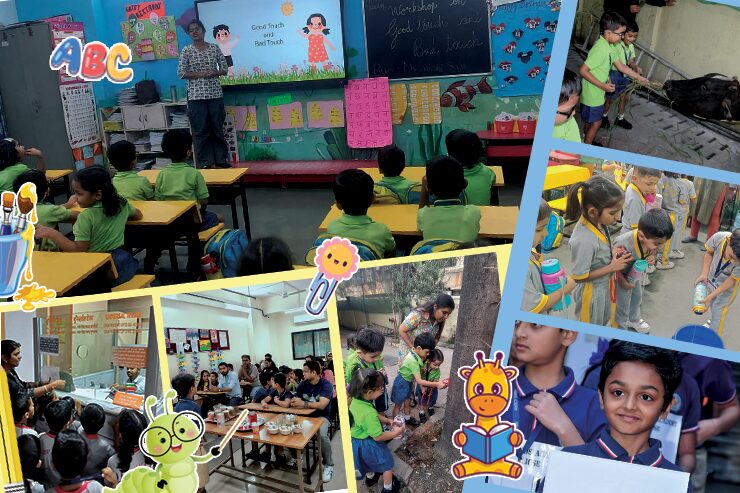
Being an ICSE School in Mulund, most parents come to us with this problem. We offer counselling as well as on a daily basis, we encourage certain activities that boost your child’s confidence.
As parents, identifying these signs early can help children receive the right support, encouragement, and guidance at the right time. Confidence is not built overnight. It develops gradually through positive experiences, emotional support, learning environments, and healthy communication.
If you are wondering whether your child may be struggling with confidence, here are some common signs parents should pay attention to.
Avoiding Participation in Activities
One of the earliest signs of low confidence is avoiding participation. Children who struggle with self-confidence often hesitate to answer questions in class, participate in competitions, join extracurricular activities, or even interact during group discussions.
This hesitation usually comes from the fear of making mistakes, fear of judgement, or feeling “not good enough.” Parents should encourage participation without forcing perfection. Appreciation for effort matters more than outcomes.
Fear of Failure
Children with low confidence often become overly afraid of failure. They may avoid trying new things simply because they think they will not succeed. Before suggesting anything, simply notice the statements they make. If they say, “I can’t do this,” “What if I fail?” or “Others are better than me,” help them understand that everyone goes through it.
Overcoming small fears boosts their confidence, and this is an important part of learning and growth.
Comparing Themselves With Others
Comparison is another strong sign of reduced confidence. Children may constantly compare their marks, talents, appearance, or abilities with classmates, siblings, or friends. This slowly affects self-esteem, motivation, and emotional well-being.
Parents should avoid comparing children with others and instead focus on their individual strengths and improvements.
Lack of Eye Contact and Communication
Children who struggle with confidence often avoid eye contact, speak softly, hesitate while communicating, or struggle to express their thoughts openly. This is common during childhood, but it can persist and build over time.
The fear of being judged, feeling their opinion is not valuable, or feeling anxious in social situations should be addressed and supported. Children should be nurtured in a manner where they feel heard and respected, as this helps improve communication confidence gradually.
Giving Up Easily
Confident children usually try again after setbacks, while children with low confidence often give up quickly when things become difficult. They may stop attempting homework, avoid difficult subjects, quit activities midway, or lose motivation easily. Parents should encourage patience, and consistent practice rather than expecting instant success.
Overdependence on Parents
Seeking guidance is normal, but constantly depending on parents for every small decision can indicate low self-confidence. Children struggling with confidence may repeatedly seek approval, avoid making decisions independently, or fear taking responsibility.
Allowing children to make age-appropriate choices helps build confidence and decision-making skills over time. This also helps children become more independent and rely less on others while carrying out their activities.
Negative Self-Talk
Confidence is usually affected by negative self-talk. Children frequently say:
- “I am not smart.”
- “Nobody likes me.”
- “I always do everything wrong.”
Such statements should never be ignored. Positive reinforcement, emotional support, and encouragement play a crucial role in helping children develop a healthier self-image.
Also, ensure that you do not speak negatively in front of your child to avoid such instances.
Sudden Drop in Academic Interest
A child struggling with confidence may slowly lose interest in studies, classroom participation, or school activities. This usually happens when children begin doubting their own abilities.
The reasons may include:
- academic pressure,
- difficulty understanding concepts,
- comparison,
- or fear of criticism.
Schools that focus on interactive learning, activity-based education, counselling, and student engagement often help children feel more confident and involved in learning.
How Parents Can Help Build Confidence?
Confidence grows when children feel supported, valued, and encouraged. Small efforts from parents can make a big difference in a child’s emotional and academic growth.
Here are a few things that parents should do:
- Appreciate efforts, not just results
- Encourage participation in activities
- Avoid comparisons
- Listen patiently to their concerns
- Celebrate small achievements
- Create positive learning experiences
- Encourage hobbies, sports, and creative activities
Confidence is not about being perfect. It is about helping children believe in their abilities and giving them the courage to keep trying.
Schools play a major role in shaping a child’s confidence. An encouraging learning environment, supportive teachers, extracurricular activities, public speaking opportunities, robotics, performing arts, sports, and student engagement activities help children develop self-belief naturally.
At Friends’ Academy, an ICSE School in Mulund, students are encouraged to learn beyond academics through interactive learning, creative activities, communication-building exercises, and personality development opportunities. The focus is not only on academic excellence but also on helping every child become confident, expressive, and future-ready.