

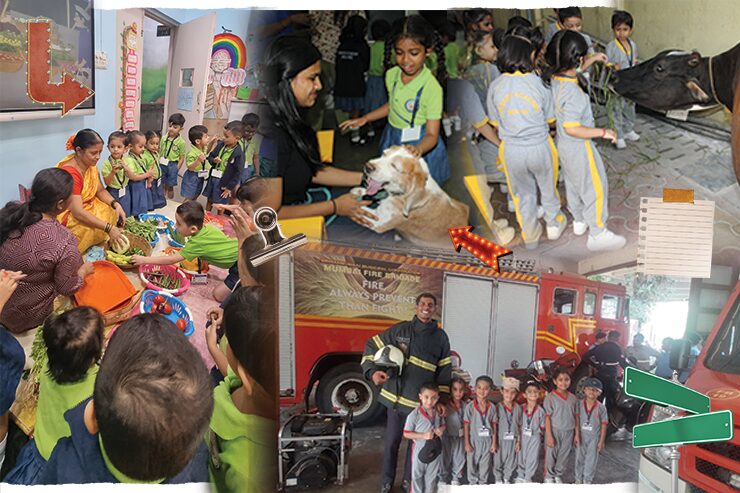
Developing the senses is necessary to seek guidance and understand the world. The ability to see, touch, hear, taste, and smell may seem simple, but during the initial stages, these senses help to build the foundation of how young minds learn, grow, and adapt. This usually happens during the early years, but later becomes essential in developing learning abilities.
What exactly is sensory development?
Sensory development refers to how children process information through their senses. As they begin to explore their surroundings—touching textures, listening to sounds, or watching movements—it helps them make connections. These experiences are crucial for developing language, attention span, motor skills, and emotional regulation.
The role of sensory experiences in learning
Children learn best when their senses are engaged. For example, when a child traces letters in sand while saying the sound out loud, they are combining sight, hearing, and touch. This multi-sensory learning strengthens brain connections, helps with information retention, and encourages active participation.
Below are the ways how sensory experiences promote learning abilities:
1. Boosts Brain Function
Engaging with sensory-rich environments stimulates brain development. Activities such as sorting colorful objects, playing with scented dough, or listening to music help enhance cognitive growth, memory, and problem-solving skills.
2. Encourages Language and Communication
It is necessary that your child understands how they feel. Words like soft, bumpy, or cold are basic descriptors they can easily relate to. Once they learn these basics, their vocabulary begins to expand. Talking about sensory experiences strengthens language and communication skills, helping them express emotions and improving their confidence.
3. Develops Fine and Gross Motor Skills
Sensory play plays an important role in encouraging movement and coordination. Whether it’s pouring water, stacking blocks, or improving hand-eye coordination, such activities build the muscles necessary for writing and other fine motor tasks.
4. Fosters Emotional and Social Growth
Emotional and social growth is fostered when children interact with others. When children attend pre-school, they begin to communicate with peers, which builds confidence. Through sensory activities, they learn to share space, self-regulate, and cooperate.
How We at Friends’ Academy Support Sensory Learning?
At Friends’ Academy, an ICSE school in Mulund, we integrate sensory development into our daily curriculum. Our classrooms are designed to stimulate exploration—from colorful visuals to tactile learning corners and music-based activities. By engaging all senses, we help children unlock their full potential in a joyful, supportive environment.
Discover the nurturing environment at our School in Mulund—where learning is truly experienced.